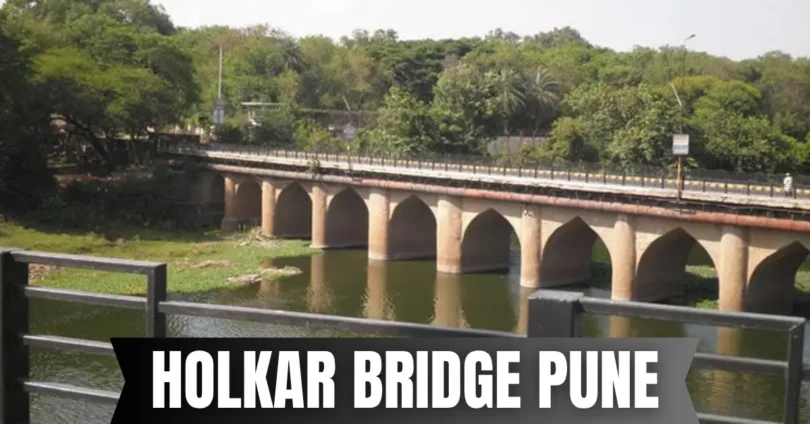
Holkar Bridge Pune is a vital landmark connecting key areas in the city. This guide covers its history, design, traffic patterns, and best times to visit. Students and visitors will also find practical tips for photography, exploring nearby attractions, and safe walking routes. With these insights, you can plan your visit effectively and enjoy both the bridge and Pune’s surrounding spots.
Holkar Bridge Pune is one of the city’s most overlooked landmarks. People cross it daily, but very few truly understand its importance. The truth is, this bridge quietly supports a huge part of Pune’s movement every single day. From students heading to colleges to office workers rushing through traffic, everyone depends on it in some way.
Think about it this way. A bridge is not just concrete and steel. It changes how a city moves, grows, and connects people. That is exactly what Holkar Bridge has done for Pune over the years.
By the end of this guide, you will know where the bridge is located, why it matters, how to visit it easily, and what makes it an important part of Pune’s urban structure.
What Makes Holkar Bridge Pune Unique?
Holkar Bridge Pune is more than just a road over water. Its history, design, and daily use make it a landmark that students and locals notice every day.
Historical Background
- Built in the early 1900s, Holkar Bridge Pune has witnessed Pune grow from a small town to a bustling city.
- It was named after the Holkar rulers who contributed to Pune’s infrastructure and urban planning.
Design and Structure
- The bridge uses strong steel girders and concrete supports, making it sturdy enough for over 40,000 vehicles daily.
- From real use, you can see the careful spacing of lanes that keeps traffic moving smoothly even during peak hours.
Real-life Impact
- Traffic from areas like Shivaji Nagar and Camp flows through this bridge every morning and evening.
- Students going to Fergusson College or local schools notice how much time this bridge saves compared to other routes.
You may also like it:
Techabbey | Innovating the Future of Technology
Educationbeing com | How to Revolutionize Your Learning
Techloomz com | Your Ultimate Guide to Tech Solutions
How Do You Reach Holkar Bridge Pune Easily?
Reaching Holkar Bridge Pune is straightforward if you know the main routes and transport options. Students and locals use it daily to save time and avoid busy roads.
From Pune City Center
- Take FC Road and head towards Shivaji Nagar.
- It usually takes 15 to 20 minutes from the city center during non-peak hours.
Public Transport Options
- Several PMPML buses stop near the bridge every 10 minutes.
- Auto-rickshaws are also available on FC Road and Jangli Maharaj Road, making the last-mile commute simple.
Parking and Accessibility
- There is a small paid parking area near the Shivaji Nagar end.
- It’s convenient for students visiting nearby colleges or tourists stopping to take photos.
What Are the Best Times to Visit Holkar Bridge Pune?
The best times to visit Holkar Bridge Pune depend on what you want to see and do. Early mornings and late evenings give you calm traffic and better lighting for photos.
Morning vs Evening Views
- Early morning from 6:30 to 8:30 provides soft sunlight on the bridge and river.
- Evening from 5:30 to 7:30 shows the city lights and reduces harsh shadows, perfect for photography.
Seasonal Considerations
- During the monsoon, the river looks fuller, but the roads can get slippery.
- Winter mornings offer clear skies and cool air, making walks or student visits more comfortable.
How Can You Explore or Photograph Holkar Bridge Pune?
Exploring and photographing Holkar Bridge Pune is easy if you know the best angles, timing, and safety tips. Students and hobby photographers often find unique shots here.
Photography Tips
- Sunrise from the Shivaji Nagar side gives golden reflections on the Mula river.
- Try standing near the center lanes for symmetry shots that show the full bridge span.
- Evening lights from FC Road side make long-exposure shots spectacular.
- From real use, local students often capture bustling traffic and calm river reflections in one frame.
Safety Tips While Exploring
- Stick to pedestrian pathways while walking or taking photos.
- Vehicles move fast, so crossing the lanes without paying attention can be dangerous, especially during peak hours.
- Keep your belongings secure when shooting at the river edge.
- Students and casual visitors have reported phones slipping into the river when leaning too far over the railing.
You may also like it:
Tech ehla com | Your Guide to the Latest Tech Trends
Dailydishnews | Latest Updates & Top Stories
Newsreverse com | How to Get the Latest News and Updates
How Can You Make the Most of Visiting Holkar Bridge Pune?
You can enjoy Holkar Bridge Pune fully by planning your visit and exploring nearby attractions. It’s not just a bridge, but a small hub of activity and learning.
Nearby Places to Explore
- Shivaji Nagar market is just 5 minutes away and offers street food and local snacks.
Students often combine their bridge visit with a quick coffee or breakfast at nearby cafés. - Saras Baug is 10 minutes from the bridge, perfect for walks or photography practice.
From real use, locals and students visit both places together for a full morning or evening outing.
Educational Value
- Engineering students study the bridge’s steel and concrete structure for practical lessons.
- Traffic management students observe peak hour patterns to understand Pune’s transport flow.
Common FAQs About Holkar Bridge Pune
Q: What is Holkar Bridge Pune?
A: Holkar Bridge Pune is a key bridge in Pune that connects Shivaji Nagar with nearby areas. It handles over 40,000 vehicles daily and is used by students, commuters, and locals. The bridge is known for its strong steel and concrete structure and has historical significance linked to Pune’s growth.
Q: Where is Holkar Bridge Pune located?
A: Holkar Bridge Pune is located near Shivaji Nagar and FC Road. It is easy to reach from Pune city center in 15 to 20 minutes. Nearby landmarks include Saras Baug, local colleges, and popular cafés, making it a convenient spot for both travel and photography.
Q: Can I walk across Holkar Bridge Pune?
A: Yes, the bridge has pedestrian footpaths. Students and casual visitors often walk across to take photos or enjoy the view of the Mula river. However, you should stay alert, especially during peak traffic hours, to avoid accidents with fast-moving vehicles.
Q: When is the best time to visit Holkar Bridge Pune?
A: The best times to visit are early mornings from 6:30 to 8:30 or evenings between 5:30 and 7:30. These times give calm traffic, soft lighting, and better photography opportunities. Monsoon and winter mornings are ideal for different scenery and cooler weather.
Q: Is Holkar Bridge Pune safe for students and tourists?
A: Yes, the bridge is generally safe, with footpaths for pedestrians and clear lane divisions for vehicles. Students visiting nearby colleges often walk or bike across. Still, it’s important to stay cautious during peak traffic hours, especially near the river edge.
Q: What are the best photography spots on Holkar Bridge Pune?
A: The center lanes provide symmetry shots of the bridge structure, while the Shivaji Nagar side is ideal for sunrise reflections on the Mula river. Evening shots from FC Road capture city lights and traffic flow, giving photographers creative opportunities.
Q: How do I reach Holkar Bridge Pune from Pune city center?
A: You can take FC Road towards Shivaji Nagar. Buses from Pune city center reach the bridge every 10 minutes, and auto-rickshaws are also available for short trips. Non-peak travel usually takes 15 to 20 minutes.
Q: Can vehicles cross Holkar Bridge Pune safely?
A: Yes, the bridge handles cars, two-wheelers, and public buses every day. Traffic moves smoothly due to lane spacing, and most commuters experience significant time savings compared to alternate routes. Peak hours can get busy, so extra caution is advised.
Conclusion
So, in this article, we covered Holkar Bridge Pune in detail. You’ve learned about its historical significance, traffic patterns, nearby attractions, and practical tips for exploring or photographing the bridge. These points show why it’s more than just a road it’s a part of Pune’s daily life.
Personally, I recommend visiting the bridge at sunrise if you can. The view of the river and city waking up is truly worth experiencing, and it gives students a peaceful start to their day.
You may also like it:
Autolinkrush com | Your Ultimate Guide to Car Solutions
Greenfield Stadium Pitch Report – Batting or Bowling?