The Punalur Suspension Bridge is a historic landmark in Kerala, known for its unique suspension design and colonial-era importance. This article covers its origins, restoration efforts, and impact on local life. You’ll also find practical visiting tips, nearby attractions, and photography advice. Perfect for history enthusiasts and travelers, it offers a complete guide to exploring this iconic Indian bridge.
The Punalur Suspension Bridge is more than just a crossing over a river. Here is the thing, it carries stories from a time when engineering was as much about vision as it was about strength. Built decades ago, the bridge quickly became a landmark, not just for its design but for the role it played in connecting communities.
History enthusiasts love the Punalur Suspension Bridge because every beam and cable tells a story of its past. From its colonial origins to the way it still stands today, walking across it feels like stepping back in time. If you’re curious about India’s engineering heritage, the Punalur Suspension Bridge is a place you’ll want to explore.
What is the Punalur Suspension Bridge and why is it famous?
The Punalur Suspension Bridge is famous for its unique design and historical importance. It was one of the first suspension bridges in India and still attracts history lovers and engineering enthusiasts.
Origins of the bridge
- Built in 1877 by British engineers | The bridge was constructed during the colonial era to improve trade and travel in Kerala
- Designed by Albert Henry | His vision combined strength and elegance, making it stand out among other bridges of its time
Unique features
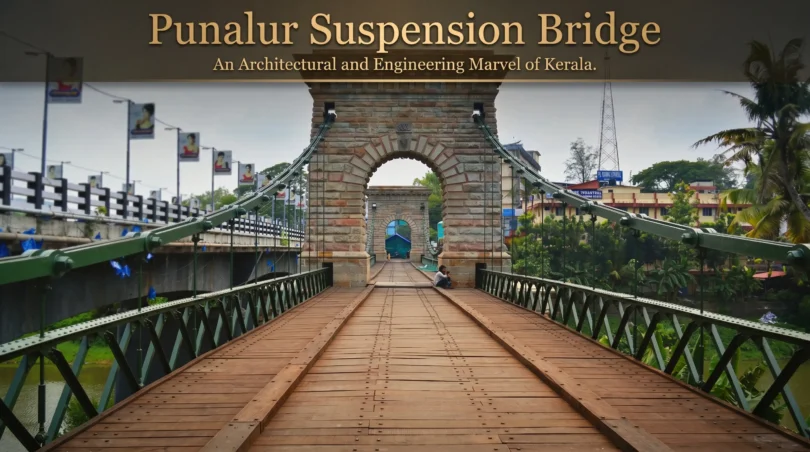
- Suspension design with cables and towers | This allowed the bridge to span the river without needing multiple piers, a rare feature back then
- Made of steel and wood | The materials were chosen for durability and flexibility, helping the bridge survive floods and heavy traffic
- Narrow walkway and light traffic load | The bridge was designed for pedestrians and light vehicles, giving it a charming, vintage feel
You may also like it:
Techabbey | Innovating the Future of Technology
Educationbeing com | How to Revolutionize Your Learning
Techloomz com | Your Ultimate Guide to Tech Solutions
How did the Punalur Suspension Bridge impact local life?
The Punalur Suspension Bridge didn’t just connect two sides of a river. It changed the daily life of people living nearby and shaped the region’s trade and travel.
Transportation before the bridge
- Crossing the river was risky and slow | People used small boats or makeshift ferries, which could be dangerous during monsoon floods
- Limited movement of goods | Traders had to take long detours, making it hard to transport spices, timber, and other local products
- Isolated villages | Communities on either side of the river often felt cut off, limiting social and economic interactions
Changes after the bridge opened
- Faster and safer travel | People could walk or use light vehicles across the bridge without worrying about river currents
- Boosted trade and economy | Local merchants could move products quickly, leading to more business opportunities and growth
- Connected communities | Families and neighbors could meet more easily, and cultural events became more accessible
What historical events is the bridge connected to?
The Punalur Suspension Bridge isn’t just a structure. It’s a witness to history, standing through colonial times and modern India.
Colonial era significance
- Built under British supervision | The bridge helped the British move troops and goods quickly across Kerala
- Strategic location for trade | It connected the interior regions to ports, boosting colonial commerce and control
- Engineering marvel of its time | British engineers showcased advanced design techniques that impressed visitors and locals alike
Post-independence events
- Preservation efforts by local authorities | After India’s independence, the bridge was maintained as a heritage structure
- Restoration work in the 20th century | Timber replacement and cable repairs ensured it stayed safe for visitors and light traffic
- Cultural recognition | Today, it’s considered a symbol of local history and attracts tourists and history enthusiasts alike
How is the Punalur Suspension Bridge maintained today?
The Punalur Suspension Bridge still stands strong thanks to ongoing care. Keeping it safe and accessible is a priority for the local authorities.
Restoration efforts
- Regular inspections by the local government | Engineers check cables, wooden planks, and supporting towers to prevent damage
- Heritage department involvement | Special teams handle restoration using materials that match the original design
- Repairs after weather damage | Heavy rains and floods occasionally affect the bridge, and prompt repairs keep it safe
Current condition for visitors
- Safe for pedestrians and light vehicles | You can walk across without worry, but heavy vehicles are not allowed
- Easy access points and signage | The bridge has clear paths and information boards for tourists
- Popular spot for photography and history walks | Visitors enjoy the view of the river and the vintage charm of the bridge
You may also like it:
Tech ehla com | Your Guide to the Latest Tech Trends
Dailydishnews | Latest Updates & Top Stories
Newsreverse com | How to Get the Latest News and Updates
What should you know before visiting the bridge?
Visiting the Punalur Suspension Bridge is a trip through history. A little planning can make your visit smooth and enjoyable.
Best time to visit
- Visit during the cooler months from October to March | The weather is pleasant, making it easy to walk across and explore the surroundings
- Attend local festivals or guided tours | Some cultural events give you a chance to see the bridge in a lively, historic context
- Avoid monsoon season | Heavy rains can make nearby paths slippery and reduce the scenic views of the river
Nearby attractions
- Punalur Paper Mill | Just a short walk from the bridge, this historic mill adds industrial heritage to your visit
- Thenmala Eco-tourism Site | Nature lovers can enjoy lush trails and activities near the bridge area
- Local temples and markets | Exploring nearby spots gives a glimpse of daily life and regional culture
Tips for photography and exploring the bridge
The Punalur Suspension Bridge is not just a historic landmark, it’s also a photographer’s dream. A few simple tips can help you capture it perfectly.
Best angles and viewpoints
- Capture the full bridge from the riverbank | This spot shows the suspension cables and towers in one frame
- Walk along the walkway for close-up shots | You can highlight the wooden planks and steel cables for a vintage feel
- Shoot during sunrise or sunset | The soft light enhances the colors of the bridge and the river, giving dramatic effects
Practical tips
- Wear comfortable shoes | The bridge has uneven planks, so walking safely is key
- Bring a camera or smartphone with a wide lens | You’ll need it to capture the full structure without stepping too far back
- Take your time to explore | Pause at viewpoints, read plaques, and enjoy the history around you
Frequently Asked Questions about Punalur Suspension Bridge
Q: What is the Punalur Suspension Bridge known for?
A: The Punalur Suspension Bridge is known for its historic design and unique suspension structure. Built during the colonial era, it connected important trade routes and still attracts history enthusiasts and tourists who want to see one of India’s oldest suspension bridges.
Q: When was the Punalur Suspension Bridge built?
A: The bridge was built in 1877 under British supervision. It was designed to improve trade and travel in the region, and its structure has survived floods and heavy use for over a century, making it a rare example of early engineering in India.
Q: Can visitors walk on the Punalur Suspension Bridge today?
A: Yes, visitors can safely walk across the bridge. Heavy vehicles are not allowed, but pedestrians and light traffic can enjoy the historic structure. Walking across gives a close-up view of the wooden planks, steel cables, and the surrounding river scenery.
Q: Why is the Punalur Suspension Bridge important for history lovers?
A: History enthusiasts value the bridge because it reflects colonial engineering and local trade history. Every cable and plank tells a story of how communities relied on it, making it a living piece of India’s heritage that you can still experience today.
Q: How do I get to the Punalur Suspension Bridge?
A: The bridge is located in Punalur, Kerala. You can reach it by road from nearby towns. Local transport and taxis are available, and it’s easy to combine the visit with nearby attractions like Thenmala Eco-tourism or the historic paper mill.
Q: What is the best time to visit the Punalur Suspension Bridge?
A: The best time to visit is from October to March when the weather is pleasant. Early mornings and late afternoons give the best lighting for photos. Avoid the monsoon season because heavy rains make nearby paths slippery and the river more dangerous.
Q: Are there any nearby attractions to visit after the bridge?
A: Yes, you can explore the Punalur Paper Mill, Thenmala Eco-tourism Site, and local temples. These spots offer both nature and history experiences, giving you a complete day of sightseeing around the bridge area.
Q: Has the Punalur Suspension Bridge been restored recently?
A: The bridge has undergone multiple restoration efforts by the local government and heritage department. Cables and wooden planks are regularly maintained, and repairs after heavy rains or floods help keep it safe for visitors while preserving its original design.
Q: How long does it take to explore the Punalur Suspension Bridge?
A: Walking across the bridge and exploring nearby viewpoints usually takes 30 to 60 minutes. If you want to take photos or visit local attractions nearby, plan for 2 to 3 hours to enjoy a full experience.
Q: Is photography allowed on the Punalur Suspension Bridge?
A: Yes, photography is allowed and highly recommended. Sunrise and sunset give the best natural light, and both wide-angle shots of the full bridge and close-ups of cables and planks make for memorable photos.
Conclusion
So, in this article, we covered Punalur Suspension Bridge in detail. We explored its history, unique design, and the role it played in connecting communities. You learned about its colonial origins, restoration efforts, and tips for visiting safely.
If you ask me, walking across the bridge during the early morning is the best experience. You feel the history beneath your feet and see the river glow in soft sunlight.
I’d love to hear your thoughts! Have you visited the Punalur Suspension Bridge or plan to? Leave a comment below and share your experience or questions about this historic landmark.
You may also like it:
Autolinkrush com | Your Ultimate Guide to Car Solutions
Greenfield Stadium Pitch Report – Batting or Bowling?