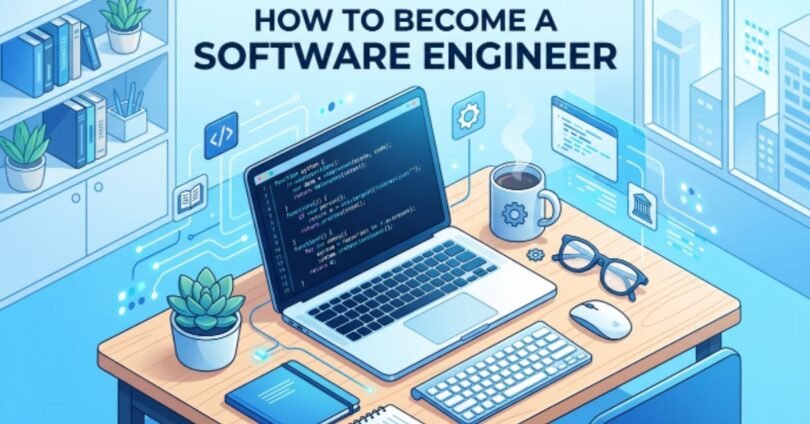
Are you wondering how to become a software engineer? This career is one of the most in-demand jobs today. Software engineers design and build programs, apps, and websites that we use every day.
If you want to start this journey, learning the right skills and gaining experience is very important. In this guide, you will learn step by step how to become a software engineer and build a successful career in technology.
How to Become a Software Engineer – Understand the Role
Before you start, it’s important to know what a software engineer does and the skills needed to succeed.
What a Software Engineer Does
- Develops software: Writes code to create apps, websites, or programs.
- Solves problems: Finds solutions for technical issues in software.
- Tests and maintains programs: Checks software for bugs and improves it.
- Collaborates with teams: Works with designers, managers, and other engineers.
Skills Required
- Coding skills: Ability to write and understand programming languages.
- Problem-solving: Thinks logically to fix errors and create solutions.
- Teamwork: Works well with others in projects.
- Communication: Explains ideas clearly to team members and clients.
Different Types of Software Engineers
- Frontend engineer: Builds what users see on websites or apps.
- Backend engineer: Works on servers, databases, and the behind-the-scenes code.
- Full-stack engineer: Does both frontend and backend work.
- Specialized roles: Some focus on mobile apps, AI, or cybersecurity.
You may also like it:
Techabbey | Innovating the Future of Technology
Educationbeing com | How to Revolutionize Your Learning
Techloomz com | Your Ultimate Guide to Tech Solutions
How to Become a Software Engineer – Educational Requirements
Education can help you build a strong foundation for a career in software engineering. The good news is that there are several learning paths you can choose based on your goals and budget.
High School Subjects That Help
These subjects can make it easier to learn programming and software development later.
- Mathematics: Helps you improve logical thinking and problem-solving skills.
- Computer Science: Teaches basic coding concepts and computer knowledge.
- Physics: Develops analytical thinking and understanding of technical concepts.
- English and Communication: Helps you write documentation and communicate with team members.
College Degrees
Many software engineers earn a degree to gain technical knowledge and improve job opportunities.
- Computer Science Degree: Covers programming, algorithms, databases, and software development.
- Information Technology (IT) Degree: Focuses on computer systems, networks, and technology solutions.
- Software Engineering Degree: Specializes in designing, building, and maintaining software applications.
- Related Degrees: Fields like Computer Engineering and Data Science can also lead to software engineering careers.
Alternative Education Paths
You do not always need a traditional degree to become a software engineer.
- Online Courses: Learn programming skills from online learning platforms at your own pace.
- Coding Bootcamps: Join short and intensive training programs focused on job-ready skills.
- Self-Learning: Use free tutorials, videos, and coding practice websites to build knowledge.
- Professional Certifications: Earn certificates to show employers that you have specific technical skills.
Why Education Matters in Software Engineering
The right education helps you understand important concepts and build confidence.
- Builds Strong Fundamentals: Helps you learn programming and software development principles.
- Improves Job Opportunities: Many employers prefer candidates with relevant education or training.
- Develops Practical Skills: Gives you experience through projects, assignments, and coding exercises.
- Supports Career Growth: Makes it easier to learn advanced technologies in the future.
Example: A student may start by learning basic programming in high school, complete an online Python course, and then earn a Computer Science degree before applying for software engineering jobs. This combination of education and practice can create a strong career foundation.
How to Become a Software Engineer – Learn Programming Skills
Learning programming is one of the most important steps in becoming a software engineer. Programming languages help you create websites, apps, games, and software solutions used every day.
Popular Programming Languages to Learn
Choosing the right programming language can make your learning journey easier and more effective.
- Python: Easy to learn and widely used for web development, data science, and automation.
- Java: Popular for business applications, Android apps, and large software systems.
- C++: Helps you understand programming fundamentals and is used in game development and system software.
- JavaScript: Essential for creating interactive websites and web applications.
Why Learning Programming Languages Is Important
Programming languages are the foundation of software engineering.
- Builds Technical Skills: Helps you understand how software works behind the scenes.
- Improves Problem-Solving: Teaches you how to break complex problems into smaller tasks.
- Creates Career Opportunities: Many software engineering jobs require coding knowledge.
- Supports Project Development: Allows you to build websites, apps, and software tools.
Resources to Practice Coding
Practice is the key to improving your programming skills.
- Coding Websites: Use online coding platforms to solve programming challenges and exercises.
- Mobile Apps: Learn coding basics through beginner-friendly learning apps.
- Video Tutorials: Watch step-by-step lessons to understand coding concepts.
- Personal Projects: Apply your knowledge by creating real software projects.
Best Ways to Improve Your Coding Skills
Regular practice helps you become more confident and skilled.
- Code Every Day: Even 30 minutes of daily practice can make a big difference.
- Solve Small Problems: Start with simple tasks before moving to advanced projects.
- Read Other People’s Code: Learn new techniques and coding styles.
- Fix Errors Yourself: Troubleshooting helps you understand programming better.
Real-Life Example: Build a Small Project
Building projects helps you turn theory into practical experience.
- Create a To-Do List App: Learn how to add, edit, and delete tasks.
- Build a Calculator: Practice using basic programming logic and calculations.
- Develop a Personal Website: Showcase your skills, projects, and achievements.
- Make a Weather App: Learn how to display real-time information from online sources.
How Small Projects Help You Become a Better Software Engineer
Projects show employers that you can apply your skills in real situations.
- Strengthens Your Portfolio: Demonstrates your abilities through real work.
- Builds Confidence: Helps you become comfortable with coding challenges.
- Improves Practical Knowledge: Teaches lessons that books alone cannot provide.
- Prepares You for Jobs: Gives you experience similar to real-world software development.
Example: A beginner learning Python can create a simple expense tracker. This project teaches programming basics, problem-solving, and project development while adding valuable experience to a portfolio.
How to Become a Software Engineer – Gain Practical Experience
Learning programming is important, but practical experience is what helps you become job-ready. Real-world experience allows you to apply your knowledge, improve your skills, and build confidence as a future software engineer.
Internships and Freelance Work
Working on real projects helps you understand how software development works in professional environments.
- Apply for Internships: Internships give you hands-on experience while learning from experienced developers.
- Work on Real Projects: You get the chance to solve actual business and technical problems.
- Start Freelancing: Take small projects from clients to gain practical coding experience.
- Build Professional Skills: Learn teamwork, communication, and project management skills.
Benefits of Internships and Freelance Work
These opportunities help you grow faster and prepare for software engineering jobs.
- Gain Industry Experience: Learn how software projects are developed and managed.
- Improve Coding Skills: Work on tasks that require real problem-solving.
- Build a Professional Network: Connect with mentors, clients, and industry professionals.
- Strengthen Your Resume: Employers value candidates with practical experience.
Contributing to Open-Source Projects
Open-source projects allow developers from around the world to work together on software.
- Join Community Projects: Contribute code to projects that are open to the public.
- Learn From Experienced Developers: Review code written by skilled programmers.
- Practice Team Collaboration: Work with developers from different backgrounds.
- Improve Technical Knowledge: Gain experience with real-world software systems.
Why Open-Source Contributions Matter
Contributing to open-source projects can make your profile stronger.
- Shows Initiative: Demonstrates your willingness to learn and contribute.
- Builds Technical Skills: Helps you understand large software projects.
- Enhances Your Portfolio: Provides real examples of your work.
- Increases Visibility: Employers can see your contributions and coding abilities.
Personal Projects to Showcase Skills
Personal projects are one of the best ways to practice and demonstrate your abilities.
- Build Useful Applications: Create tools that solve simple everyday problems.
- Develop Websites or Apps: Practice frontend, backend, or full-stack development.
- Experiment With New Technologies: Learn new programming languages and frameworks.
- Document Your Work: Explain your project goals, features, and technologies used.
Best Personal Project Ideas for Beginners
Simple projects can help you learn and build a strong portfolio.
- Task Management App: Create a tool to organize daily tasks.
- Personal Portfolio Website: Showcase your skills, projects, and achievements.
- Weather Information App: Display weather updates using public data.
- Expense Tracker: Help users manage and monitor their spending.
How Practical Experience Helps You Become a Software Engineer
Real-world practice is often just as important as formal education.
- Builds Confidence: Helps you feel comfortable working on software projects.
- Improves Problem-Solving Skills: Teaches you how to handle coding challenges.
- Creates a Strong Portfolio: Gives employers proof of your abilities.
- Prepares You for Interviews: Provides real examples to discuss during job interviews.
Example: A student who completes an internship, contributes to an open-source project, and builds a personal portfolio website will often stand out more than someone who only studies programming theory. Practical experience shows employers that you can apply your skills in real situations.
You may also like it:
Tech ehla com | Your Guide to the Latest Tech Trends
Dailydishnews | Latest Updates & Top Stories
Newsreverse com | How to Get the Latest News and Updates
How to Become a Software Engineer – Build a Strong Portfolio
A strong portfolio is one of the best tools for showing your skills to employers. It gives hiring managers proof of your abilities and helps you stand out from other job candidates.
Importance of a Portfolio
A portfolio highlights your work and demonstrates what you can do as a software engineer.
- Shows Your Skills: Employers can see your coding and development abilities through real projects.
- Provides Proof of Experience: Demonstrates that you can apply your knowledge in practical situations.
- Increases Job Opportunities: A strong portfolio can help you get interviews and job offers.
- Builds Professional Credibility: Shows that you are serious about your software engineering career.
Why Employers Look at Portfolios
Many employers review portfolios before making hiring decisions.
- Evaluates Technical Skills: Helps employers understand your level of expertise.
- Reviews Problem-Solving Ability: Shows how you approach and solve challenges.
- Measures Project Experience: Provides examples of work completed by you.
- Identifies Creativity: Highlights unique ideas and project solutions.
What to Include in Your Portfolio
Your portfolio should clearly present your skills, experience, and achievements.
Projects
Projects are often the most important part of a software engineering portfolio.
- Personal Projects: Include applications or websites you built independently.
- Academic Projects: Showcase projects completed during courses or training.
- Freelance Work: Display projects created for clients when permitted.
- Team Projects: Highlight your specific role and contributions.
GitHub Profile
A GitHub profile helps employers review your code and development activity.
- Upload Project Code: Share source code for your completed projects.
- Organize Repositories: Keep projects well-structured and easy to navigate.
- Write Clear Documentation: Explain project features and installation steps.
- Show Consistent Activity: Regular updates demonstrate ongoing learning.
Certifications
Certifications can strengthen your portfolio and validate your skills.
- Programming Certifications: Show knowledge of programming languages and technologies.
- Online Course Certificates: Highlight completed training programs.
- Technical Certifications: Demonstrate expertise in specific tools or platforms.
- Industry-Recognized Credentials: Add credibility to your professional profile.
Tips to Make Your Portfolio Stand Out
A well-designed portfolio can leave a lasting impression on employers.
- Focus on Quality: Showcase your best projects instead of adding too many.
- Keep It Updated: Add new projects, skills, and achievements regularly.
- Use Simple Design: Make your portfolio easy to navigate and read.
- Explain Each Project: Describe the problem, solution, and technologies used.
Additional Ways to Improve Your Portfolio
Small improvements can make a big difference.
- Add Project Screenshots: Help visitors understand your work quickly.
- Include Contact Information: Make it easy for employers to reach you.
- Share Your Resume: Provide a downloadable version of your resume.
- Write a Short Introduction: Tell visitors about your background and goals.
How a Strong Portfolio Helps You Become a Software Engineer
Your portfolio can become one of your most valuable career assets.
- Builds Trust: Shows employers that you have practical experience.
- Demonstrates Skills: Highlights your technical and problem-solving abilities.
- Supports Job Applications: Gives hiring managers more information about your work.
- Creates More Opportunities: Increases your chances of getting interviews and job offers.
Example: A beginner software engineer can create a portfolio website that includes a to-do list app, an expense tracker, a GitHub profile, and a few programming certificates. This simple portfolio can effectively demonstrate skills and dedication to potential employers.
How to Become a Software Engineer – Job Search and Networking
Once you have the right skills and experience, the next step is finding job opportunities. A strong resume, a professional online presence, and good networking can help you start your software engineering career faster.
Prepare a Strong Resume and LinkedIn Profile
Your resume and LinkedIn profile are often the first things employers see.
Build a Professional Resume
A well-written resume helps employers quickly understand your skills and experience.
- Highlight Technical Skills: Include programming languages, tools, and technologies you know.
- Showcase Projects: Add personal, academic, freelance, or internship projects.
- Include Certifications: Mention relevant courses and certifications you have completed.
- Keep It Clear and Simple: Use an easy-to-read format with accurate information.
Create a Strong LinkedIn Profile
LinkedIn can help you connect with recruiters and industry professionals.
- Use a Professional Photo: Create a positive first impression.
- Write a Strong Headline: Clearly mention that you are a software engineer or aspiring software engineer.
- Add Skills and Projects: Showcase your technical abilities and achievements.
- Keep Your Profile Updated: Regularly add new projects, certifications, and experiences.
Why a Strong Resume and LinkedIn Profile Matter
These tools can increase your chances of getting noticed by employers.
- Attract Recruiters: Makes it easier for recruiters to find you.
- Showcase Your Skills: Highlights your qualifications and experience.
- Build Professional Credibility: Demonstrates your commitment to your career.
- Support Job Applications: Provides employers with detailed information about you.
Apply to Jobs and Attend Career Fairs
Job applications and career events can help you discover new opportunities.
Apply for Software Engineering Jobs
Consistent job applications improve your chances of getting interviews.
- Search for Entry-Level Roles: Focus on positions suitable for beginners.
- Customize Your Resume: Match your resume to the job requirements.
- Apply Regularly: Submit applications to multiple companies.
- Track Your Applications: Keep a record of jobs you have applied for.
Attend Career Fairs
Career fairs allow you to meet employers directly.
- Meet Hiring Managers: Learn about available job opportunities.
- Ask Questions: Understand company culture and job expectations.
- Share Your Resume: Give employers a copy of your resume.
- Build Connections: Create relationships that may lead to future opportunities.
Benefits of Applying and Networking at Events
These activities can speed up your job search process.
- Increase Visibility: More employers become aware of your profile.
- Discover Opportunities: Learn about openings that may not be advertised widely.
- Improve Confidence: Gain experience speaking with recruiters.
- Expand Your Network: Connect with people who can support your career growth.
Networking Tips and Connecting With Industry Professionals
Networking is an important part of building a successful software engineering career.
Build Professional Relationships
Strong connections can open doors to new opportunities.
- Connect on LinkedIn: Follow software engineers, recruiters, and technology leaders.
- Join Online Communities: Participate in coding groups and developer forums.
- Attend Tech Events: Meet professionals at workshops, conferences, and meetups.
- Stay Active: Engage with posts and discussions related to software development.
Learn From Experienced Professionals
Industry experts can provide valuable guidance.
- Ask for Advice: Learn from people who already work in the field.
- Seek Mentorship: Find mentors who can guide your career journey.
- Follow Industry Trends: Stay informed about new technologies and tools.
- Share Your Work: Let others see your projects and achievements.
How Networking Helps You Become a Software Engineer
Building connections can create opportunities that job applications alone may not provide.
- Find Hidden Job Opportunities: Many positions are filled through referrals.
- Gain Career Advice: Learn from experienced professionals.
- Build Industry Knowledge: Stay updated on trends and best practices.
- Increase Career Growth: Strong networks often lead to better opportunities.
Example: A beginner software engineer may connect with developers on LinkedIn, attend local tech events, and share personal projects online. These actions can lead to valuable connections, interview opportunities, and even job referrals.
How to Become a Software Engineer – Continuous Learning
Software engineering is a field that changes quickly. To stay competitive, you need to keep learning new skills and technologies throughout your career.
Importance of Staying Updated with Technology
Keeping up with the latest trends and tools is essential for success.
- Stay Relevant: Technology changes fast, and new tools are always emerging.
- Increase Job Opportunities: Knowledge of current technologies makes you more attractive to employers.
- Improve Efficiency: Learning better tools and techniques can help you work faster and smarter.
- Adapt to Industry Needs: Staying updated ensures you can handle modern software projects.
Learning New Languages and Frameworks
Expanding your technical skills improves your versatility as a software engineer.
- Learn Popular Languages: Explore new programming languages to expand your skill set.
- Understand Frameworks: Learn frameworks that simplify development, like React or Django.
- Try New Tools: Experiment with development tools that improve productivity.
- Work on Projects: Apply new skills in real-world projects to gain hands-on experience.
Joining Tech Communities and Forums
Being part of communities helps you learn faster and stay motivated.
- Participate in Online Forums: Join coding forums to ask questions and share knowledge.
- Attend Tech Meetups: Meet other developers to learn from their experiences.
- Follow Experts: Learn best practices and trends from experienced engineers.
- Collaborate on Projects: Work with others to solve problems and improve your skills.
How to Become a Software Engineer – Tips for Success
Success in software engineering depends not only on skills but also on your approach and mindset.
Time Management and Discipline
Managing your time well helps you learn efficiently and complete projects.
- Set Daily Goals: Plan small tasks to stay consistent with learning and coding.
- Prioritize Tasks: Focus on the most important and challenging tasks first.
- Avoid Distractions: Maintain focus while coding or learning new skills.
- Stick to a Routine: Consistency improves skills over time.
Problem-Solving Mindset
Software engineering is about solving problems efficiently and creatively.
- Analyze Problems Carefully: Understand the issue before writing code.
- Break Problems Into Steps: Solve small parts of a problem one at a time.
- Think Critically: Consider multiple ways to approach a solution.
- Stay Persistent: Don’t give up when solutions are not obvious.
Learning from Mistakes and Seeking Mentorship
Growth comes from learning and guidance from others.
- Review Errors: Understand mistakes and how to avoid them in the future.
- Ask for Feedback: Seek advice from mentors or experienced developers.
- Learn Continuously: Treat every mistake as a learning opportunity.
- Find a Mentor: Guidance from someone experienced can speed up your career growth.
Why These Tips Help You Become a Software Engineer
Applying these tips strengthens both technical and professional skills.
- Work Smarter: Time management and discipline make learning more effective.
- Solve Problems Efficiently: A problem-solving mindset prepares you for real-world challenges.
- Grow Faster: Learning from mistakes and mentorship accelerates career development.
- Stay Motivated: Continuous learning keeps your career moving forward.
Example: A software engineer who manages time well, learns from errors, and seeks mentorship can quickly adapt to new technologies, build better projects, and advance faster in their career.
Conclusion
Becoming a software engineer takes learning, practice, and patience. Start by understanding the role, learning programming, and gaining practical experience. Build a strong portfolio, network with professionals, and keep learning new skills.
With focus, persistence, and the right approach, anyone can start a successful career in software engineering. Start small, keep improving, and your efforts will pay off.
You may also like it:
Autolinkrush com | Your Ultimate Guide to Car Solutions
Greenfield Stadium Pitch Report – Batting or Bowling?