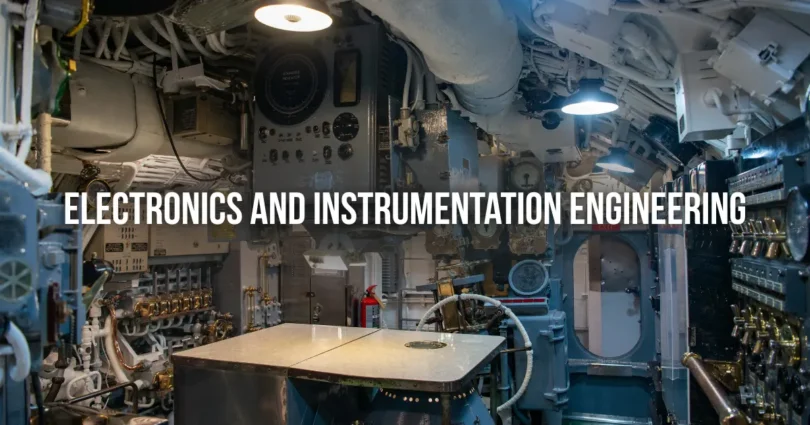
Electronics and instrumentation engineering is a branch of engineering that focuses on how electronic systems work and how we measure and control machines. It is a mix of electronics, sensors, and control systems that help machines run smoothly and correctly. In simple words, it is about making systems smart and accurate.
Today, electronics and instrumentation engineering plays a big role in almost every industry. You can see its use in hospitals, factories, power plants, and even in smart home devices. From checking temperature in a machine to controlling robots in a factory, this field makes modern life easier and more efficient.
What Is Electronics and Instrumentation Engineering?
Simple Definition
- Electronics and instrumentation engineering is a branch of engineering.
- It focuses on electronic systems and measuring tools.
- It helps in controlling machines with accuracy.
- It combines electronics with sensing and control systems.
Basic Idea of Electronics + Measurement Systems
- Electronics deals with circuits, signals, and devices.
- Instrumentation focuses on measuring things like temperature, pressure, and speed.
- These two fields work together to monitor and control machines.
- It helps machines work safely and correctly.
Simple understanding: It is like giving machines eyes and brains to think and respond.
Real-Life Example (Sensors in Smartphones or Hospitals)
- Smartphones use sensors to detect motion, light, and touch.
- Hospitals use medical devices to check heart rate and blood pressure.
- Factories use sensors to control machines automatically.
- Cars use sensors for safety features like parking and braking.
Easy example: When your phone screen turns off near your ear, it uses a sensor. That is electronics and instrumentation working in real life.
You may also like it:
Techabbey | Innovating the Future of Technology
Educationbeing com | How to Revolutionize Your Learning
Techloomz com | Your Ultimate Guide to Tech Solutions
Core Subjects in This Field
Electronics Basics
- This subject teaches how electronic circuits work.
- It includes components like resistors, capacitors, and diodes.
- It helps you understand how devices get power and signals.
- It builds the base for all advanced topics in engineering.
Control Systems
- This subject explains how to control machines and processes.
- It helps keep machines stable and accurate during work.
- It is used in automation like robots and industrial machines.
- It teaches how systems respond to inputs and changes.
Instrumentation Technology
- This subject focuses on measuring physical values like heat, pressure, and flow.
- It uses tools like sensors and meters.
- It helps in monitoring machines and systems in real time.
- It ensures accuracy in industrial and scientific work.
Signal Processing
- This subject deals with handling and improving electronic signals.
- It helps remove noise from data and make signals clear.
- It is used in communication systems like mobile networks.
- It improves the quality of sound, images, and data.
Microcontrollers and Sensors
- Microcontrollers are small computers used in machines.
- Sensors collect data like temperature, motion, and light.
- Together, they help machines make smart decisions.
- They are used in smart devices, cars, and automation systems.
Skills You Need
Problem-Solving Skills
- This skill helps you find solutions to technical issues.
- It is useful when machines or systems stop working.
- You learn to think step by step to fix problems.
- It improves your decision-making in real situations.
Basic Electronics Knowledge
- You must understand how simple circuits work.
- It includes learning about wires, voltage, and current.
- This skill helps you design and repair devices.
- It is the base for advanced engineering topics.
Programming Basics
- Programming helps you control machines using code.
- You learn simple languages like C or Python.
- It is used in automation and smart systems.
- It makes devices work in an intelligent way.
Analytical Thinking
- This skill helps you understand data and systems clearly.
- You learn to study problems in a logical way.
- It helps you find patterns and errors quickly.
- It improves your ability to plan better solutions.
Hands-On Practical Skills
- This means working directly with tools and machines.
- You learn by doing experiments in labs.
- It helps you understand real-world systems better.
- It builds confidence for real engineering work.
Course Details and Study Path
Diploma vs Degree Options
- Diploma is a short-term course focused on basic skills.
- Degree is a full engineering program with deep knowledge.
- Diploma helps you start working early in entry-level jobs.
- Degree gives better growth and higher job opportunities.
Duration of Study
- Diploma usually takes around 3 years to complete.
- Degree (B.E./B.Tech) usually takes around 4 years.
- Duration depends on your education level and course type.
- Both include theory learning and practical training.
Common Subjects in Syllabus
- You study electronics, circuits, and control systems.
- You also learn instrumentation tools and sensors.
- Programming basics and microcontrollers are included.
- Mathematics and physics support technical understanding.
Lab Work and Practical Training
- Lab work helps you practice real engineering tasks.
- You work with circuits, sensors, and electronic devices.
- Practical training improves your technical skills.
- It prepares you for real job situations in industry.
You may also like it:
Tech ehla com | Your Guide to the Latest Tech Trends
Dailydishnews | Latest Updates & Top Stories
Newsreverse com | How to Get the Latest News and Updates
Career Opportunities
Job Roles (Engineer, Technician, System Designer)
- You can work as an electronics engineer in different companies.
- Technicians help in installing and repairing systems.
- System designers create smart control and measurement systems.
- These roles focus on improving machines and technology.
Industries (Automation, Healthcare, Manufacturing, Robotics)
- Automation industry uses smart machines for fast work.
- Healthcare uses medical devices for patient monitoring.
- Manufacturing plants use sensors for smooth production.
- Robotics industry builds smart machines for complex tasks.
Government and Private Sector Jobs
- Government jobs are available in research labs and public projects.
- Private companies hire engineers for product and system development.
- You can work in energy, telecom, and defense sectors.
- Both sectors offer stable and long-term career growth.
Real-Life Applications
Hospitals (Medical Devices)
- Medical devices help doctors check patient health easily.
- Machines measure heart rate, blood pressure, and oxygen levels.
- Equipment gives fast and accurate results for better treatment.
- It helps in monitoring patients in real time.
Industries (Automation Systems)
- Automation systems control machines without human effort.
- Sensors help machines work with speed and accuracy.
- It reduces errors and improves production quality.
- Factories use it to save time and cost.
Home Devices (Smart Appliances)
- Smart appliances make daily life easier and faster.
- Devices like smart ACs adjust temperature automatically.
- Washing machines work with programmed settings.
- Home systems save energy and improve comfort.
Transportation Systems
- Modern vehicles use sensors for safety and control.
- Traffic systems use automation to manage signals.
- Aircraft systems depend on accurate measurement tools.
- It improves travel safety and reduces accidents.
Scope and Future Growth
Growing Demand in Automation and AI
- Industries are moving toward smart machines and automation.
- AI systems need sensors and control systems to work properly.
- Factories want faster and more accurate production methods.
- This field is becoming very important in modern technology.
Use in Smart Technologies
- Smart devices use sensors to collect and process data.
- Homes, cars, and cities are becoming more automated.
- Smart systems improve comfort, safety, and energy saving.
- Engineers play a key role in building these technologies.
Global Career Opportunities
- Skilled engineers are needed in many countries.
- You can work in international companies and projects.
- Opportunities exist in research, design, and development fields.
- This field offers strong career growth worldwide.
Challenges in This Field
Technical Complexity
- This field includes many complex systems and circuits.
- You need to understand both hardware and software.
- Some topics can be hard for beginners to learn.
- It requires clear thinking and steady practice.
Continuous Learning Required
- Technology changes very fast in this field.
- You must keep learning new tools and systems.
- Old methods may not work in modern industries.
- Regular study and updates are very important.
Practical Experience Needed
- Theory alone is not enough for this field.
- You need hands-on practice with real machines.
- Lab work helps you understand systems better.
- Experience improves your confidence in real jobs.
Salary Overview
Entry-Level Range
- Fresh graduates usually start with basic salary packages.
- Entry-level pay depends on skills and company type.
- Internships and training can improve starting salary.
- Government and private jobs may offer different ranges.
Experienced Professional Range
- Experienced engineers earn much higher salaries.
- Salary increases with skills and project experience.
- Senior roles include team lead and system designer jobs.
- Experts in automation and control get better pay.
Factors Affecting Salary
- Your skills and technical knowledge matter a lot.
- Experience level plays a big role in salary growth.
- Company size and industry type affect pay scale.
- Location and job demand also influence earnings.
Conclusion
Electronics and instrumentation engineering is a strong and useful field. It connects electronics, sensors, and control systems to build smart machines. It is used in hospitals, industries, and everyday devices.
This field offers good learning, job options, and future growth. If you enjoy technology and problem-solving, this can be a great career choice.
You may also like it:
Autolinkrush com | Your Ultimate Guide to Car Solutions
Greenfield Stadium Pitch Report – Batting or Bowling?