
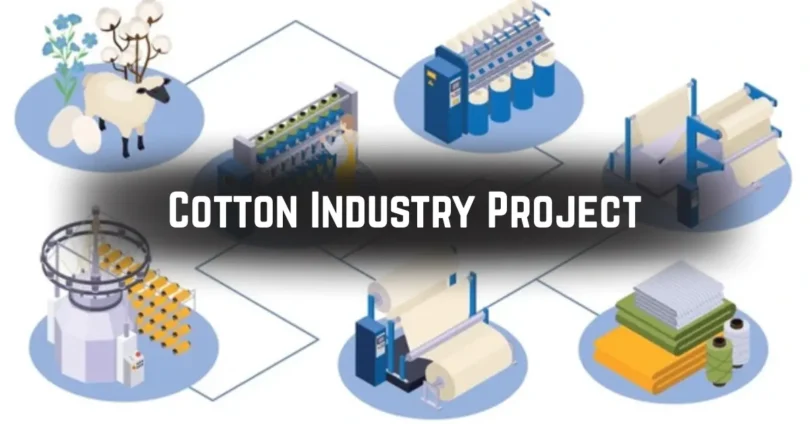
The Cotton Industry Project plays a crucial role in shaping the global economy. Cotton has been one of the most important raw materials for centuries, fueling industries from textiles to agriculture. As the demand for sustainable and high-quality cotton continues to rise, the cotton industry project offers an opportunity to explore new technologies, improve farming practices, and meet the needs of a growing global market.
In this article, we will dive into the key components, challenges, and future outlook of cotton industry projects, and how they are paving the way for a more sustainable and profitable cotton industry.
Key Components of a Cotton Industry Project
Overview of Project Goals and Objectives
- Sustainable Farming Practices: The main goal is to promote eco-friendly farming techniques to reduce the environmental impact of cotton farming.
- Improved Cotton Quality: A focus on enhancing cotton fiber quality to meet the demands of various industries, especially textiles.
- Economic Growth: Boosting the local economy by increasing cotton production and ensuring fair wages for farmers and workers.
- Technological Integration: Incorporating modern machinery, data, and automation to increase yield and efficiency.
Key Stakeholders Involved
- Farmers: They are the backbone of the cotton industry project, responsible for growing and harvesting cotton.
- Manufacturers: These include textile mills and other companies that process raw cotton into finished products.
- Investors: They provide the financial support needed for cotton industry projects to scale and grow.
- Government Bodies: Governments help regulate the industry through policies, subsidies, and agricultural support programs.
- Consumers: End users who drive demand for cotton products like clothing, home textiles, and other goods.
Challenges in the Cotton Industry
Environmental Challenges
- Water Usage: Cotton farming requires large amounts of water, which can lead to water scarcity in regions where water resources are limited.
- Pesticide Use: The use of pesticides in cotton farming can harm the environment, affecting soil health and surrounding ecosystems.
- Soil Degradation: Continuous cotton farming without proper soil management can lead to soil erosion and reduced fertility over time.
- Climate Change Impact: Changes in weather patterns can affect cotton yields, making farming more unpredictable.
Economic Challenges
- Fluctuating Cotton Prices: Cotton prices are highly volatile, and farmers may struggle to make a profit when prices drop unexpectedly.
- Market Access: Small-scale cotton farmers may face difficulties accessing global markets due to lack of infrastructure or trade barriers.
- Rising Production Costs: The cost of seeds, fertilizers, and equipment continues to rise, making it harder for farmers to maintain profitability.
- Global Competition: The cotton industry faces stiff competition from other countries, making it challenging for local farmers to compete globally.
Social Challenges
- Labor Conditions: Cotton farms often rely on low-wage labor, with workers sometimes facing poor working conditions and lack of rights.
- Fair Wages: Many cotton farmers and workers struggle with low wages, which can prevent them from achieving a sustainable livelihood.
- Child Labor: In some regions, the use of child labor in cotton farms is still a prevalent issue, leading to ethical concerns in the industry.
- Health Risks: Workers exposed to pesticides and chemicals on cotton farms are at a higher risk of health issues.
Technological Innovations in Cotton Farming
Use of Modern Machinery and Automation
- Precision Farming Tools: New machinery, like automated harvesters and cotton-picking machines, reduces labor costs and improves efficiency.
- Drones and GPS Technology: Drones and GPS systems help farmers monitor crop health, map fields, and apply fertilizers or pesticides more accurately.
- Automated Irrigation Systems: These systems use sensors to deliver precise water amounts, helping to conserve water and reduce waste.
- Robotic Weeding: Robots can now identify and remove weeds from cotton fields, reducing the need for harmful herbicides.
Advances in Cotton Genetics and Seed Production
- Genetically Modified Cotton: Advances in genetic engineering have led to cotton strains resistant to pests, diseases, and extreme weather, improving yield.
- Drought-Tolerant Seeds: Scientists have developed seeds that require less water, making cotton farming more sustainable in dry regions.
- High-Quality Fiber Genetics: Research into cotton genetics has produced better-quality fibers, leading to stronger and softer cotton products.
- Faster Growth Varieties: New cotton seed varieties grow faster, allowing farmers to harvest more crops in a shorter period.
Impact of Data and Technology in Improving Yield and Quality
- Data-Driven Decisions: Farmers use data from soil sensors, weather forecasts, and crop performance to make informed decisions on planting and harvesting.
- AI in Crop Management: Artificial intelligence (AI) helps analyze data to predict pest infestations, weather patterns, and other factors that impact cotton farming.
- Yield Prediction Models: Machine learning models predict the expected yield of cotton crops, helping farmers optimize their resources and reduce waste.
- Blockchain for Supply Chain Transparency: Blockchain technology ensures the quality and traceability of cotton products from farm to market, enhancing trust in the industry.
Sustainability in the Cotton Industry Project
Eco-friendly Farming Practices
- Organic Cotton Farming: Organic methods avoid harmful pesticides and fertilizers, improving soil health and reducing environmental pollution.
- Water Conservation Techniques: Using drip irrigation, rainwater harvesting, and drought-resistant cotton varieties to minimize water usage.
- Integrated Pest Management (IPM): This approach uses natural predators, crop rotation, and organic pesticides to control pests without harming the environment.
- Soil Health Improvement: Techniques like cover cropping and no-till farming help maintain soil fertility and reduce erosion.
Circular Economy and Cotton Recycling Initiatives
- Recycling Cotton Waste: Leftover cotton fibers from production processes are being reused to create new products, reducing waste.
- Closed-Loop Systems: Some companies are using a closed-loop system where cotton products are collected, recycled, and turned into new cotton fabric.
- Recycled Cotton Fabrics: Cotton clothing and textiles are being repurposed and reprocessed to create new, eco-friendly cotton products.
- Sustainable Packaging: Companies are using recycled cotton waste to create sustainable packaging materials, reducing plastic usage.
Sustainable Cotton Brands and Certifications
- Fair Trade Cotton: Brands that use fair trade cotton ensure farmers receive fair wages, improving social and environmental conditions.
- Global Organic Textile Standard (GOTS): GOTS-certified cotton is produced using strict environmental and social criteria, ensuring sustainability throughout the supply chain.
- BCI (Better Cotton Initiative): The BCI promotes sustainable cotton farming practices worldwide, focusing on environmental impact, water use, and worker welfare.
- Cradle to Cradle Certification: This certification ensures that cotton products are fully recyclable, helping to create a circular economy in the textile industry.
Global Impact of Cotton Industry Projects
How the Cotton Industry Influences Global Trade
- Cotton as a Global Commodity: Cotton is one of the most traded raw materials worldwide, influencing economies in both developed and developing nations.
- Export Opportunities: Countries like India, the U.S., and China are major exporters of cotton, driving economic growth and creating job opportunities.
- Price Volatility: The price of cotton can affect global markets, influencing the cost of goods like clothing, textiles, and other cotton-based products.
- Trade Partnerships: Cotton trade fosters partnerships between countries, encouraging economic cooperation and cultural exchange through textile industries.
Case Studies of Successful Cotton Industry Projects Worldwide
- Better Cotton Initiative (BCI): BCI has helped millions of farmers in countries like India, Pakistan, and Brazil improve cotton farming practices by focusing on sustainability, worker welfare, and reducing environmental impact.
- Organic Cotton Farming in Africa: In several African nations, organic cotton farming initiatives have transformed communities by improving livelihoods and promoting environmental sustainability, with brands like Patagonia supporting these projects.
- Water-Saving Cotton Projects in India: Projects in India have introduced water-efficient irrigation systems, such as drip irrigation, which have significantly reduced water usage and improved cotton yield in drought-prone areas.
- Sustainable Cotton in the U.S.: In the U.S., farmers are adopting precision farming technologies to reduce pesticide use, conserve water, and increase cotton production efficiency, setting a model for sustainability.
Future Outlook for Cotton Industry Projects
Trends to Watch in the Next Decade
- Sustainability Focus: The shift towards more sustainable cotton farming practices will continue, with increased demand for organic and eco-friendly cotton.
- Smart Farming: Advances in artificial intelligence (AI) and Internet of Things (IoT) will drive the use of data to optimize farming techniques, improve yields, and reduce waste.
- Cotton Recycling Growth: As the circular economy gains traction, more companies will focus on recycling cotton products and turning waste into new materials.
- Sustainable Fashion Demand: Consumers are increasingly choosing sustainable fashion, prompting brands to adopt eco-friendly and ethical cotton sourcing practices.
- Automated Harvesting: The use of robotics and automation in cotton picking will become more widespread, increasing efficiency and reducing labor costs.
Potential for Growth and Expansion in Emerging Markets
- India and Africa: As two of the largest cotton producers, these regions have the potential for significant growth, driven by improvements in farming techniques and better access to global markets.
- South America: Countries like Brazil are emerging as key players in the cotton industry project, with improvements in cotton quality and export capabilities offering strong growth potential.
- Southeast Asia: Nations like Vietnam and Bangladesh are seeing rising cotton production, with a growing textile industry that will benefit from local cotton sourcing.
- China’s Green Shift: China is expected to increase investment in sustainable cotton farming and technology, positioning itself as a leader in both cotton production and environmental initiatives.
- Technology-Driven Growth: Emerging markets will benefit from technology adoption in farming, from precision agriculture to smart irrigation systems, helping farmers increase productivity.
Conclusion
The cotton industry project is evolving with a focus on sustainability, technology, and global growth. Innovations in farming practices, recycling, and automation are shaping the future of cotton production. With strong potential for expansion in emerging markets like India, Africa, and South America, the cotton industry project is poised for a brighter, more eco-friendly future.
By embracing these trends, the industry can meet the growing demand for sustainable cotton while improving efficiency and reducing environmental impact.