

Vietnamese football has undergone a remarkable transformation over the past decade, evolving from a developing scene into one of Southeast Asia’s most competitive landscapes. The ranking system within Vietnam reflects not only team performance but also the broader growth of tactics, infrastructure, and player development. Understanding how these rankings work and what they represent offers valuable insight into the direction of the sport in the country.
truciepbongda has become a familiar phrase among fans eager to follow matches in real time, highlighting the increasing demand for instant updates and deeper engagement with Vietnamese football rankings.
The Foundation of Vietnam Football Rankings
Football rankings in Vietnam are primarily structured around domestic competitions, with the V.League 1 serving as the top-tier professional league. Beneath it are V.League 2 and other semi-professional divisions that create a hierarchical system. Rankings are determined by points accumulated throughout the season, following standard football rules: three points for a win, one for a draw, and zero for a loss.
However, beyond this simple system lies a more intricate evaluation. Goal difference, head-to-head results, and disciplinary records often come into play when teams are tied on points. This layered approach ensures fairness and accurately reflects each club’s overall performance.
Evolution of the V.League Ranking System
In earlier years, the Vietnamese league system faced challenges such as inconsistent scheduling, limited financial backing, and fluctuating team participation. Over time, reforms have significantly improved transparency and competitiveness.
The modern ranking structure now emphasizes:
- Consistent match scheduling
- Improved officiating standards
- Enhanced data tracking and analytics
- Financial regulations for clubs
These changes have elevated the credibility of rankings, making them a reliable indicator of team strength and consistency.
Key Factors Influencing Rankings
Team Consistency and Form
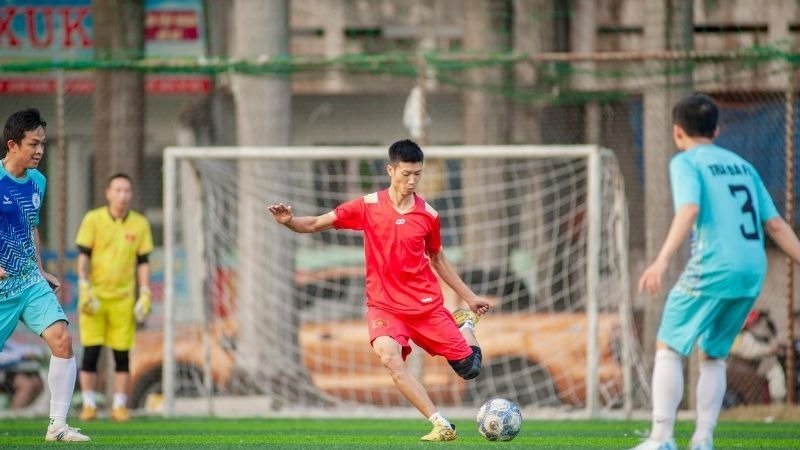
One of the most critical aspects influencing rankings is consistency. Teams that maintain stable performance across the season tend to dominate the top positions. A single winning streak can boost a team’s position, but sustained success is what defines champions.
Squad Depth and Rotation
Modern football requires more than just a strong starting lineup. Clubs with deeper squads can rotate players effectively, minimizing fatigue and injuries. This becomes particularly important during congested fixtures, where maintaining performance levels is essential for climbing the rankings.
Tactical Adaptability
Coaches play a crucial role in shaping a team’s position. Tactical flexibility allows teams to adjust to different opponents, which is vital in a league where playing styles vary widely. Teams that can switch between defensive solidity and attacking creativity often outperform their rivals.
Youth Development Systems
Vietnam has invested heavily in youth academies, producing technically skilled and tactically aware players. Clubs that integrate young talents into their first teams often gain a competitive edge, as these players bring energy and adaptability.
The Role of Data and Analytics
In recent years, data analytics has become a game-changer in Vietnamese football. Clubs now rely on performance metrics such as:
- Possession percentages
- Passing accuracy
- Expected goals (xG)
- Defensive recoveries
These metrics provide deeper insights into team performance beyond traditional statistics. Rankings are no longer just about results but also about how teams achieve those results.
Regional Influence and Competitive Balance
Vietnamese football does not exist in isolation. Regional competitions such as the AFF Championship and AFC tournaments influence domestic rankings indirectly. Teams participating in international competitions often gain valuable experience, which translates into stronger performances in the league.
This exposure also raises the overall standard of the league, making rankings more competitive and unpredictable.
Fan Engagement and Ranking Popularity
Football rankings have become a central topic of discussion among fans. Social media platforms, sports forums, and live match broadcasts contribute to the growing interest. Supporters closely track their favorite teams’ positions, analyzing every change in the standings.
This heightened engagement has led to:
- Increased viewership of domestic matches
- Greater sponsorship opportunities
- Enhanced media coverage
The ranking table is no longer just a statistic—it is a narrative that unfolds throughout the season.
Challenges in Maintaining Ranking Integrity

Despite significant progress, challenges remain. Issues such as financial instability, match congestion, and occasional inconsistencies in officiating can impact rankings. Ensuring fairness and transparency is an ongoing effort that requires collaboration between governing bodies, clubs, and stakeholders.
Moreover, the gap between top and bottom teams can sometimes be significant, affecting the overall competitiveness of the league. Addressing this imbalance is crucial for maintaining the integrity of the ranking system.
The Impact of Foreign Players
Foreign players have played a pivotal role in raising the quality of Vietnamese football. Their presence introduces new playing styles, higher physical standards, and valuable experience.
Clubs that effectively integrate foreign players often see immediate improvements in their rankings. However, balancing foreign talent with local player development remains essential for long-term success.
Future Trends in Vietnam Football Rankings
Digital Transformation
Technology will continue to shape how rankings are presented and analyzed. Real-time updates, advanced statistics, and interactive platforms will make rankings more accessible and engaging for fans.
Increased Professionalism
As the league becomes more professional, ranking systems will likely incorporate more sophisticated evaluation methods. This could include performance indices and advanced ranking algorithms.
Expansion of Competitions
The potential expansion of domestic competitions and increased participation in international tournaments will add new dimensions to the ranking system. Teams will need to adapt to a more demanding schedule, making depth and strategy even more important.
Strategic Approaches for Clubs
To climb the rankings, clubs must adopt a holistic approach that includes:
- Investing in youth academies
- Strengthening scouting networks
- Enhancing sports science and medical support
- Building a strong club culture
Success is no longer determined solely by on-field performance but by the entire ecosystem surrounding a team.
The Psychological Aspect of Rankings
Rankings also have a psychological impact on players and teams. Being at the top can boost confidence, while lower positions can create pressure. Managing this mental aspect is crucial for maintaining performance levels.
Coaches and sports psychologists play a key role in ensuring that players remain focused and motivated, regardless of their position in the table.
Media Influence on Perception
Media coverage significantly shapes how rankings are perceived. Positive narratives can elevate a team’s reputation, while criticism can add pressure. Balanced and insightful reporting is essential for maintaining a fair understanding of team performances.
Conclusion
Vietnam football rankings are more than just numbers—they are a reflection of progress, ambition, and the evolving nature of the sport in the country. From tactical innovations to youth development and fan engagement, every element contributes to the dynamic landscape of bảng xếp hạng bóng đá Việt Naml.
As the league continues to grow, rankings will become even more competitive and meaningful, offering fans an exciting journey throughout each season. Understanding these rankings provides a deeper appreciation of the game and the efforts behind every position on the table.