
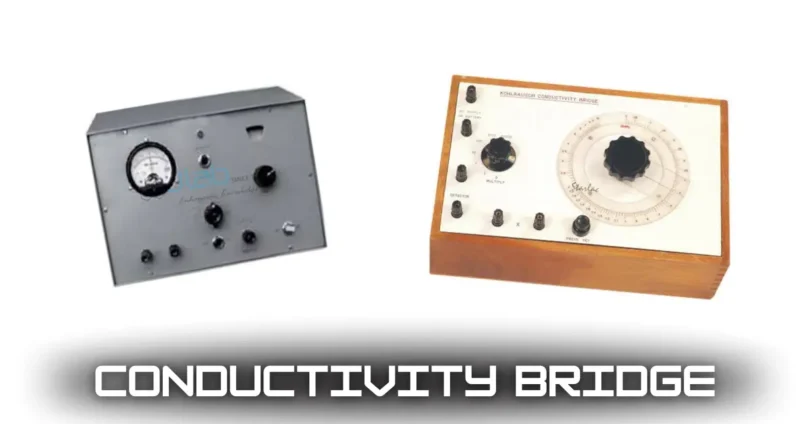
A conductivity bridge is an essential tool used in various scientific and industrial fields to measure the electrical conductivity of a material or solution. It works by comparing the unknown conductivity of a sample to a known standard, providing precise and reliable results.
The conductivity bridge is widely used in laboratories, water treatment plants, and environmental testing to monitor the quality of water and other substances. Understanding how this device works and its applications can help you appreciate its importance in everyday science and industry.
What is a Conductivity Bridge?
A conductivity bridge is an instrument used to measure the electrical conductivity of a solution or material. It is often used to determine how well a substance can conduct electricity, which depends on factors like temperature and ion concentration.
How Does a Conductivity Bridge Work?
- The conductivity bridge works by comparing the conductivity of an unknown sample with that of a known standard.
- It uses a balanced circuit, where the resistance of the sample is measured and converted into conductivity.
- By applying a constant voltage, the bridge calculates the current passing through the solution, helping determine the conductivity value.
Key Components of a Conductivity Bridge
- Power Supply: Provides the constant voltage needed for measurements.
- Measuring Cell: The part where the sample or solution is placed for conductivity testing.
- Bridge Circuit: A network of resistors used to balance the measurement and calculate conductivity.
Simple Working Process
- The conductivity bridge applies a small voltage across the sample.
- The current flowing through the sample is measured.
- The conductivity is calculated based on the resistance of the solution.
- The final reading is displayed, indicating the material’s conductivity.
You may also like it:
Techabbey | Innovating the Future of Technology
Educationbeing com | How to Revolutionize Your Learning
Techloomz com | Your Ultimate Guide to Tech Solutions
Types of Conductivity Bridges
There are different types of conductivity bridges, each suited to specific measurement needs. These include the Wheatstone bridge, AC conductivity bridge, and others. Each type has its own unique method of operation, designed to provide accurate results in various conditions.
Wheatstone Bridge
- The Wheatstone bridge is a type of electrical bridge used to measure unknown resistance, which can be applied to conductivity measurements.
- It consists of four resistors arranged in a bridge configuration, with one resistor being the unknown resistance (sample).
- When the bridge is balanced, the unknown resistance is determined by the known resistances.
Example: It is commonly used in laboratories for precise resistance measurements and can be adapted for conductivity testing.
AC Conductivity Bridge
- The AC conductivity bridge uses alternating current (AC) instead of direct current (DC), which is ideal for measuring conductivity in liquids or electrolytes.
- This type of bridge is more suitable for solutions where the sample’s resistance changes with temperature or ion concentration.
- It provides more stable and accurate measurements in variable conditions, making it useful for industrial applications.
Example: This bridge is often used in environmental testing, such as measuring water quality or soil conductivity.
Digital Conductivity Bridge
- Digital conductivity bridges use modern electronic components to provide more precise readings and display results directly on a digital screen.
- These bridges often have features like automatic temperature compensation, which corrects for temperature-related changes in conductivity.
- Digital versions are easy to use and suitable for field measurements or environments where quick results are needed.
Example: Used in water treatment plants to monitor the conductivity of drinking water.
Four-Electrode Conductivity Bridge
- The four-electrode conductivity bridge measures the conductivity of liquids by using two electrodes to apply a current and two separate electrodes to measure voltage, ensuring more accurate readings.
- This type minimizes errors caused by electrode polarization and is preferred for solutions with low conductivity.
- It is ideal for testing solutions where high accuracy is required.
Example: This is commonly used in chemical industries and research laboratories where precise solution conductivity is critical.
How Does a Conductivity Bridge Work?
A conductivity bridge works by measuring the electrical conductivity of a sample, which helps to determine how well it can conduct electricity. Here’s a step-by-step explanation of how it operates:
Power Supply Provides Voltage
- The conductivity bridge starts with a power supply that provides a steady voltage.
- This voltage is applied across the sample or solution to be tested.
Diagram Description: Think of the power supply as a battery sending a small, controlled electric current through the material you’re testing.
Current Flows Through the Sample
- When the voltage is applied, an electric current flows through the sample.
- The sample’s resistance to the current is a measure of its conductivity. More resistance means lower conductivity.
Diagram Description: The current flows like water through a pipe—the narrower the pipe (or higher the resistance), the less water (or current) flows.
Resistance Measurement
- The bridge compares the resistance of the sample with known reference resistors in the circuit.
- A balance is achieved when the resistances match, and the conductivity of the sample is calculated.
Diagram Description: The bridge is like a balance scale. When the resistances are equal, the scale is “balanced,” and the conductivity can be read.
Display or Reading of Conductivity
- Once the bridge is balanced, the result is displayed, showing the conductivity of the sample.
- This result tells how easily the material allows electrical current to pass through it.
Diagram Description: The final reading is shown on a meter, which tells you how conductive the sample is, just like reading a thermometer for temperature.
Simple Working Example
- Apply voltage across the sample.
- Measure the current flowing through the sample.
- Compare the current with known resistances in the bridge.
- Calculate and display the sample’s conductivity.
Applications of Conductivity Bridge
Conductivity bridges are used in various fields to measure and monitor conductivity. This is important for a wide range of industries where the ability to conduct electricity impacts performance, quality, and safety.
Laboratory Testing
- In laboratories, conductivity bridges are commonly used to test the electrical conductivity of solutions, chemicals, and materials.
- They help scientists and researchers measure concentration, purity, and other properties that can be determined from conductivity.
Example: Used to measure the salinity or ion concentration in chemical solutions during experiments.
Environmental Monitoring
- Conductivity bridges are used to monitor the quality of water and other environmental factors.
- They help detect contaminants, pollution, and other changes in water bodies that could affect ecosystems and human health.
Example: Used to test the conductivity of river or lake water to check for pollutants or changes in water quality.
Water Treatment
- Water treatment plants use conductivity bridges to monitor and adjust the chemical processes in water purification.
- They help in ensuring the water meets required quality standards before distribution.
Example: Used in municipal water treatment facilities to measure the conductivity of treated water.
Soil Testing in Agriculture
- Conductivity bridges are used in agriculture to test soil conductivity, which helps in determining soil health and nutrient content.
- This information is important for efficient irrigation and fertilization.
Example: Farmers use conductivity bridges to test soil conductivity, helping them apply the right amount of water and nutrients for better crop yield.
Chemical and Pharmaceutical Industries
- In the chemical and pharmaceutical industries, conductivity bridges are used to monitor the purity and concentration of solutions.
- These industries rely on precise measurements to ensure product quality and safety.
Example: Used to measure the concentration of solvents or reagents in the production of medicines.
Food and Beverage Industry
- Conductivity bridges are used to measure the conductivity of liquids in the food and beverage industry.
- They help ensure that the ingredients and final products meet required quality and safety standards.
Example: Used in testing the sugar content in beverages or the salt concentration in processed foods.
Electronics and Manufacturing
- In electronics manufacturing, conductivity bridges are used to check the quality of conductive materials like solder or metallic parts.
- They help in ensuring that electrical components will work properly once assembled into devices.
Example: Used to test the conductivity of copper wires or components used in electronic circuits.
Marine and Aquaculture
- Conductivity bridges are used in marine biology and aquaculture to monitor the salinity and health of water in fish farms.
- This helps in maintaining optimal conditions for aquatic life.
Example: Aquaculture farms use conductivity bridges to ensure the water in fish tanks maintains the right salt level for fish health.
Benefits of Using a Conductivity Bridge
Conductivity bridges offer a range of advantages, making them indispensable in various fields where accurate and reliable measurements are crucial.
Accurate Measurements
- Conductivity bridges provide precise and reliable conductivity readings, ensuring high-quality results.
- They are designed to minimize errors and give consistent results, even with small sample sizes.
- This accuracy makes them essential in scientific research, industrial processes, and quality control.
Example: In laboratories, precise measurements are needed to study chemical reactions or the concentration of ions in a solution.
Versatility in Different Applications
- Conductivity bridges can be used in a wide range of fields, from water quality testing to chemical manufacturing.
- They are adaptable, working with various materials and solutions, including liquids, solids, and even gases in certain cases.
- The ability to measure conductivity across different environments makes them valuable in diverse industries.
Example: Whether it’s checking the salt content in water or the purity of a chemical solution, a conductivity bridge can be adjusted to suit different measurement needs.
Real-Time Monitoring
- Many conductivity bridges allow for continuous monitoring of conductivity, providing real-time data.
- This is particularly useful in applications like water treatment or environmental monitoring, where ongoing adjustments may be needed.
Example: Water treatment plants can adjust chemical dosing in real time based on continuous conductivity measurements.
Easy to Use
- Modern conductivity bridges, especially digital models, are user-friendly, making them accessible for both professionals and beginners.
- They often come with automated features, such as temperature compensation and digital displays, simplifying the testing process.
Example: Digital conductivity bridges are commonly used in classrooms for educational purposes due to their simple operation and quick results.
Cost-Effective
- Conductivity bridges are relatively inexpensive compared to other sophisticated lab equipment.
- They provide a high return on investment due to their accuracy, ease of use, and ability to serve a wide range of applications.
Example: Small-scale environmental monitoring projects can save on costs by using conductivity bridges to test water quality instead of more expensive equipment.
Long-Term Reliability
- Conductivity bridges are designed to last, with high durability even under tough conditions.
- This makes them a good long-term investment for industries that require consistent monitoring over time.
Example: Industries like agriculture or wastewater management use conductivity bridges for long-term monitoring of soil or water conductivity, ensuring reliable data over time.
No Need for Complex Calibration
- Most modern conductivity bridges are easy to calibrate, with many models offering automatic calibration features.
- This reduces the time and expertise required to set up the device and ensures accurate readings with minimal effort.
Example: In routine water quality tests, an automatic calibration feature ensures that the equipment provides accurate readings without the need for manual adjustments.
You may also like it:
Tech ehla com | Your Guide to the Latest Tech Trends
Dailydishnews | Latest Updates & Top Stories
Newsreverse com | How to Get the Latest News and Updates
Limitations of a Conductivity Bridge
While conductivity bridges are incredibly useful tools, they do have some limitations and are not always suitable for every application. Below are the key drawbacks and situations where a conductivity bridge might not be the best choice.
Sensitivity to Temperature Changes
- Conductivity measurements are highly influenced by temperature, and fluctuations can affect the accuracy of readings.
- While some conductivity bridges have automatic temperature compensation, they may still be less accurate in environments with rapid or extreme temperature changes.
- In situations where temperature control is not possible, measurements might need additional adjustments.
Example: Water quality monitoring in outdoor environments where temperature changes throughout the day can cause variability in conductivity readings.
Not Suitable for Highly Viscous Solutions
- Conductivity bridges are designed for measuring the conductivity of liquids, but their performance can be affected when testing highly viscous or thick solutions.
- The bridge may have trouble sending a consistent current through very thick liquids, leading to inaccurate or inconsistent results.
- Specialized equipment may be needed for such samples.
Example: Testing the conductivity of certain oils or pastes used in manufacturing processes may not give reliable results with a standard conductivity bridge.
Limited Accuracy in Low Conductivity Samples
- Conductivity bridges may struggle to measure the conductivity of samples with very low conductivity, such as distilled or deionized water.
- In these cases, the bridge might not detect enough current flow, leading to measurement errors or a failure to provide a reading.
- For highly purified water or other low-conductivity solutions, specialized high-precision instruments may be required.
Example: Testing ultrapure water in pharmaceutical labs where the conductivity is extremely low and requires highly sensitive equipment beyond basic conductivity bridges.
Electrode Fouling or Contamination
- Conductivity bridges use electrodes to measure resistance, and these electrodes can become fouled or contaminated over time.
- Contaminants can alter the electrical properties of the electrodes, leading to inaccurate readings.
- Regular cleaning and maintenance are required to keep the electrodes in optimal condition.
Example: In marine environments, salt build-up on electrodes can interfere with conductivity measurements in seawater, requiring frequent cleaning.
Limited Range of Conductivity
- Some conductivity bridges may have a limited range of conductivity that they can measure effectively.
- For solutions with very high or very low conductivity, the bridge may either saturate or fail to detect accurate readings.
- It’s important to choose a conductivity bridge that matches the expected range of your samples.
Example: High-conductivity solutions, like concentrated acid or electrolyte solutions, may exceed the measuring range of certain conductivity bridges.
Dependence on Calibration
- Accurate results from a conductivity bridge depend on proper calibration. If not calibrated correctly, the readings can be misleading.
- Frequent recalibration might be necessary, especially when switching between different solutions or environments.
- Improper calibration can lead to faulty readings, requiring extra time and effort to maintain accuracy.
Example: A conductivity bridge used in multiple laboratories may need to be recalibrated regularly to ensure accurate measurements across different settings.
Not Ideal for Complex Samples
- Conductivity bridges are best suited for measuring simple solutions with uniform properties.
- For complex mixtures or samples with varying ionic concentrations, the results might be inaccurate due to interference from other substances.
- Specialized techniques may be needed for testing such complex samples.
Example: In chemical manufacturing, a mixture with multiple substances may cause the conductivity readings to be skewed, making a conductivity bridge unsuitable for precise measurements.
Tips for Using a Conductivity Bridge
To get the most accurate and reliable results when using a conductivity bridge, it’s important to follow certain best practices. Here are some practical tips and common mistakes to avoid.
Calibrate the Bridge Regularly
- Calibration is crucial for accurate readings. Ensure that the conductivity bridge is calibrated before every use.
- Use standard reference solutions for calibration to ensure precise measurements.
- Check the manufacturer’s guidelines for the correct calibration procedure and intervals.
Example: If you’re testing different water samples, calibrating the bridge before each test ensures consistency across measurements.
Maintain a Constant Temperature
- Conductivity readings are highly sensitive to temperature, so try to maintain a stable temperature during measurements.
- Use a temperature-compensated conductivity bridge to automatically adjust for temperature changes, or manually correct for temperature if necessary.
- Ensure that the sample has reached a stable temperature before taking readings.
Example: In a laboratory setting, allowing a sample to cool to room temperature before testing will prevent skewed results caused by temperature fluctuations.
Clean the Electrodes Frequently
- Electrodes can accumulate dirt, oils, or salts, which can interfere with measurements. Clean them regularly to maintain accuracy.
- Use a soft cloth or specialized electrode cleaning solution to gently remove any contaminants.
- Check for any damage or wear on the electrodes that could affect readings.
Example: After measuring highly mineralized water, clean the electrodes with distilled water to remove any salts or particles that may build up.
Ensure Proper Sample Volume
- Make sure the sample you’re testing fills the conductivity cell completely to avoid air gaps that can alter the readings.
- Too little sample volume can lead to errors or inaccurate readings.
- Follow the manufacturer’s guidelines for the correct sample volume for the conductivity cell being used.
Example: When measuring the conductivity of a solution in a lab beaker, ensure the sample fills the entire electrode chamber for the most accurate result.
Avoid Contamination
- Be careful not to contaminate your samples or the conductivity bridge with residues from previous tests.
- Use clean containers and tools, and thoroughly rinse the conductivity cell between measurements.
- If measuring different solutions, use separate containers or rinse thoroughly to avoid cross-contamination.
Example: After testing one solution, rinse the conductivity cell with distilled water to prevent contamination when testing a new sample.
Use the Right Conductivity Bridge for the Application
- Different conductivity bridges are designed for different purposes, so ensure you are using the appropriate type for your sample.
- If you’re testing a very high or low conductivity solution, make sure the bridge can handle that range.
- Check the specifications of your bridge to ensure it meets the requirements of the sample you are testing.
Example: If you’re testing ultrapure water with extremely low conductivity, use a high-precision digital conductivity bridge designed for low-range measurements.
Monitor and Adjust for Salinity and Ion Concentration
- The salinity or ion concentration in a sample can affect conductivity readings. Adjust your approach accordingly, especially when testing water samples.
- Use additional tools or conduct further analysis if needed to understand how specific ions or substances are impacting conductivity.
- Be aware of the impact of other dissolved substances in the sample, as they can skew results.
Example: If testing seawater, you may need to adjust your method to account for the high salinity, which could cause the bridge to show higher conductivity than freshwater.
Take Multiple Readings
- For more reliable results, take multiple readings and average them, especially for samples that are not homogeneous.
- Taking several measurements helps account for any fluctuations or inconsistencies in the sample.
- Make sure the conductivity bridge is stable and consistent between readings.
Example: In environmental monitoring, take readings from different areas of a water body to ensure that the sample is representative of the overall conditions.
Common Mistakes to Avoid
- Skipping Calibration
- Neglecting to calibrate the conductivity bridge can lead to inaccurate results.
- Always calibrate before taking measurements, especially if the device has been idle for a while or after cleaning.
- Not Considering Temperature Effects
- Failing to account for temperature changes can lead to incorrect readings.
- Either adjust manually or use a temperature-compensated conductivity bridge to avoid this mistake.
- Using the Wrong Sample Size
- Using too little or too much sample in the conductivity cell can lead to measurement errors.
- Follow the recommended sample volume for each test to ensure accuracy.
- Not Cleaning the Electrodes Properly
- If electrodes are dirty or damaged, they won’t give accurate readings.
- Regularly clean and inspect electrodes to avoid this issue.
FAQs on Conductivity Bridges
What is a conductivity bridge used for?
A conductivity bridge is used to measure the ability of a material or solution to conduct electricity. It’s commonly used in labs, water treatment plants, and environmental monitoring.
How does a conductivity bridge work?
The bridge applies a small voltage to the sample, measures the current flowing through it, and calculates the conductivity based on the resistance. It compares this to a known reference to give an accurate reading.
Do I need to calibrate the conductivity bridge?
Yes, calibration is important for accurate measurements. You should calibrate the bridge using standard solutions before each use or regularly depending on the application.
Can conductivity bridges measure all types of liquids?
Conductivity bridges work well with most liquids, but their accuracy can be affected by highly viscous solutions or very low conductivity liquids like ultrapure water.
How do temperature changes affect conductivity measurements?
Temperature can affect conductivity, so it’s important to maintain a stable temperature when testing. Some bridges have automatic temperature compensation to help with this.
How do I clean the electrodes on a conductivity bridge?
Clean the electrodes regularly to avoid buildup of contaminants that could affect the results. Use distilled water or a special cleaning solution to remove dirt or residue.
What industries use conductivity bridges?
Conductivity bridges are used in industries like water treatment, agriculture, chemical manufacturing, pharmaceuticals, and food processing to monitor and control conductivity levels.
Conclusion
A conductivity bridge is a powerful tool for measuring how well a solution can conduct electricity. By following simple tips like calibrating regularly, maintaining stable temperatures, and cleaning the electrodes, you can get accurate and reliable results.
Whether you’re working in a lab, monitoring water quality, or testing industrial processes, a conductivity bridge helps make sure you get the right measurements every time. Just remember to avoid common mistakes and keep your equipment in good condition for the best performance.
You may also like it:
Autolinkrush com | Your Ultimate Guide to Car Solutions
Greenfield Stadium Pitch Report – Batting or Bowling?